

Dr. Hafiz Sultan Muhammad
Consultant Psychiatrist

Medically reviewed by Dr. Hafiz Sultan Muhammad, MBBS, FCPS (Psychiatry) · Last reviewed October 2026
Psychiatrist-led care for hallucinations, delusions and loss of touch with reality.
Psychosis can mean hearing voices, believing things others do not share, or thinking and speaking in a confused way. Schizophrenia is one condition that causes psychosis. Drugs such as ICE and charas can also trigger it.
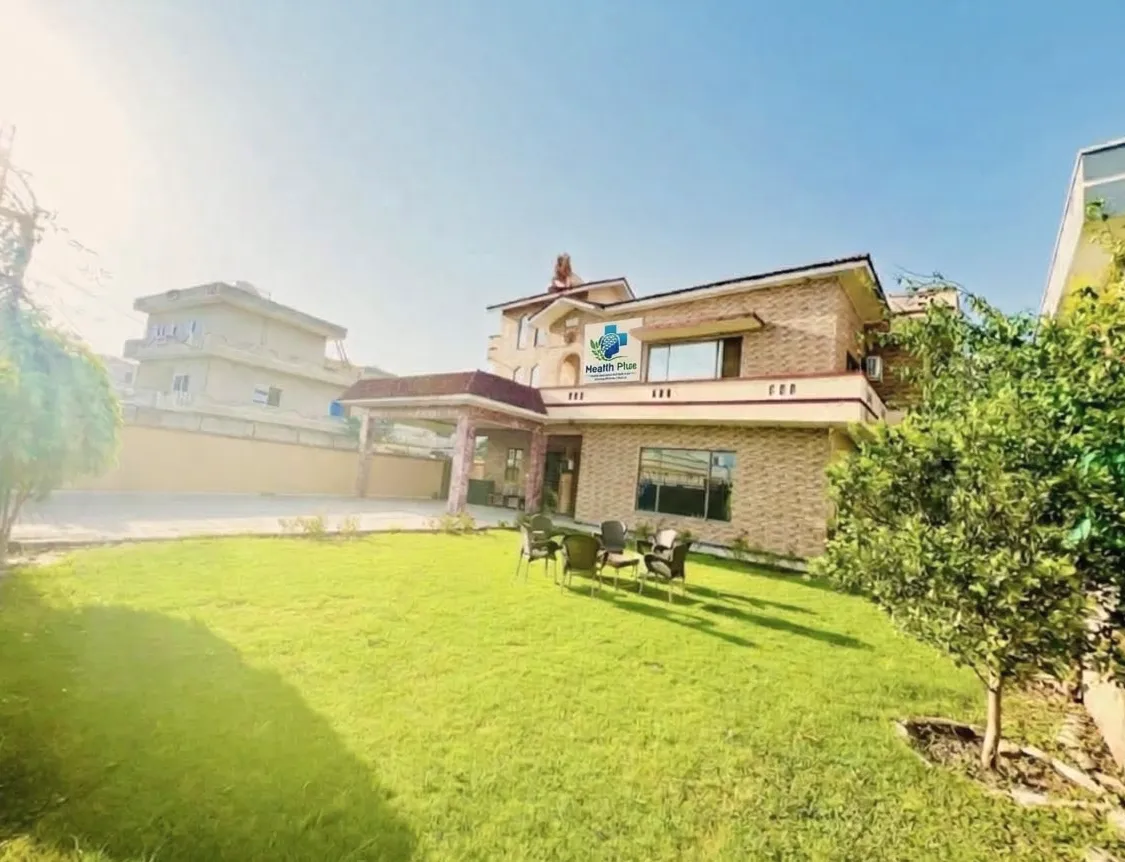
Early, steady treatment makes a real difference. At Health Plus, our psychiatrists find the likely cause, start treatment and help the family understand how to support recovery.
Many families in Pakistan first take a loved one with psychosis to a faith healer or for spiritual treatment. We respect faith, and many of our patients pray and read Quran every day here. But psychosis is a medical condition, and delays in treatment can make recovery harder.
Families searching for a 'dimagi hospital' in Islamabad are often worried about chains, locks or harsh treatment. Our approach is calm, supervised care with medicine and therapy, and families are kept informed.
Families often ask whether their loved one will need to stay in hospital for a long time. Most people do not. Once symptoms are under control and a follow-up plan is in place, the aim is to return home and to normal life as far as possible.
Noticing several of these over weeks, not days, is a reason to get advice.
Our psychiatrist carries out a full assessment, including any drug use, medical problems and family history. This helps tell drug-induced psychosis apart from schizophrenia or bipolar disorder.
Antipsychotic medicine is the main treatment. It is started at a careful dose and reviewed for benefit and side effects. In a residential setting, staff can make sure medicine is taken and watch for changes.
As symptoms settle, the person joins therapy and daily activities, and the family learns about the illness, warning signs of relapse and the importance of continuing treatment after discharge.
Recovery from schizophrenia usually continues long after the first episode settles. The aim is a stable, meaningful life: family, routine, work or study where possible, and early help if symptoms return.
The biggest risk of relapse is stopping medicine too early, often because the person feels well or dislikes side effects. Please talk to the psychiatrist before stopping or changing anything. There are usually options.
Drug use, especially charas and ICE, makes relapse more likely. Stress and lack of sleep can too.
Families learn the early warning signs for their loved one, such as poor sleep, withdrawal or suspicious ideas returning. Acting early, with a call to the psychiatrist, often prevents a full relapse and a hospital stay.
A residential stay is often a few weeks to a few months, depending on how quickly symptoms settle and whether drug use is involved. Long-term outpatient follow-up is important.
Consultant Psychiatrist

Consultant Clinical Psychologist

Consultant Psychiatrist
Still unsure? Call or WhatsApp us. A first conversation is free and confidential.
It can be. Some drug-induced psychosis settles with abstinence. Some needs ongoing treatment. Our psychiatrists assess this carefully.
Many people recover well, especially with early treatment and continued care. Every person's course is different.
Speak to our team. We will explain the options and what is required.
Yes. Visits follow the centre's procedures, which our team explains at admission.
Schizophrenia is a medical condition of the brain. We respect every family's faith, and many patients find prayer helpful, but medical treatment is needed for recovery.
Many people with schizophrenia have relationships and families, especially when the illness is well treated and stable. It is a good question to discuss openly with the psychiatrist.
No. Schizophrenia affects thinking and perception, such as hearing voices or holding unusual beliefs. It is not about having more than one personality.
Our admissions team answers 24 hours a day. Tell us what is happening and we will give you honest advice on what would help, with no pressure to admit.