

Dr. Obaid Ullah
Consultant Psychiatrist
Medically reviewed by Dr. Obaid Ullah, MBBS, FCPS (Psychiatry) · Last reviewed October 2026
Treatment for constant worry, panic attacks and fear that limits daily life.
Anxiety becomes a problem when worry is constant, hard to control and starts deciding what a person can and cannot do. Panic attacks can feel like a heart attack, and many people visit emergency departments several times before anyone mentions anxiety.
At Health Plus, our psychologists teach practical ways to manage anxiety, and our psychiatrists add medicine when it helps. Most people are treated as outpatients.
In Pakistan, anxiety is often called 'tension' or 'BP', and people are told to rest or avoid stress. When it does not go away, some start relying on sleeping pills, pregabalin or charas to feel calm, which creates a second problem.
If worry, a racing heart, or fear of certain places has lasted for months, it is worth seeing someone. Anxiety disorders respond well to treatment.
Anxiety is also common in people recovering from addiction. When someone stops alcohol, pills or charas, the anxiety that was being covered up often comes back. Treating it properly is an important part of preventing relapse.
Noticing several of these over weeks, not days, is a reason to get advice.
Our psychiatrist first rules out physical causes and checks for depression or substance use, which often go together with anxiety.
Cognitive behavioural therapy (CBT) with one of our psychologists is the main treatment for many people. It teaches how anxious thoughts work, how to calm the body, and how to face avoided situations step by step.
Where medicine is helpful, it is chosen carefully and reviewed. If someone has become dependent on sleeping pills or pregabalin, we plan a safe reduction alongside therapy.
A panic attack can cause a pounding heart, chest tightness, shortness of breath, shaking, sweating, dizziness and a strong feeling that something terrible is about to happen. It usually peaks within ten minutes and then eases.
Because the symptoms overlap with heart problems, it is right to get checked by a doctor the first time, especially if the person is older, has heart disease in the family, or the pain spreads to the arm or jaw. If in doubt, call 1122.
Once heart problems have been ruled out, repeated panic attacks are very treatable. Our psychologists teach breathing techniques, how to ride out the wave of panic, and how to stop avoiding places where attacks have happened.
Many people are surprised by how quickly panic attacks reduce once they understand what is happening in their body.
Most people with anxiety attend outpatient sessions, often weekly for a few months. Residential care is only needed when anxiety comes with heavy pill or drug use, or severe depression.
Consultant Psychiatrist

Consultant Clinical Psychologist

Consultant Psychiatrist
Still unsure? Call or WhatsApp us. A first conversation is free and confidential.
They feel frightening but are not usually physically dangerous. A medical check helps rule out other causes.
Often, yes. Therapy alone works well for many people. Your clinician will recommend what fits your situation.
Yes. See our outpatient (OPD) page for details.
Pregabalin can cause dependence. If you need more over time or struggle without it, our psychiatrist can review it and plan a safe change.
No. Anxiety disorders are common medical conditions that affect people of every background and faith. Many of our patients find faith a support alongside treatment.
Usually not. Most people with anxiety come for weekly outpatient sessions. A residential stay is only suggested when anxiety comes with heavy pill or drug use, or with severe depression, and it is always discussed with you first.
Yes. It often helps for a parent or spouse to come to one session, so they understand what anxiety is and how to support practice at home without taking over.
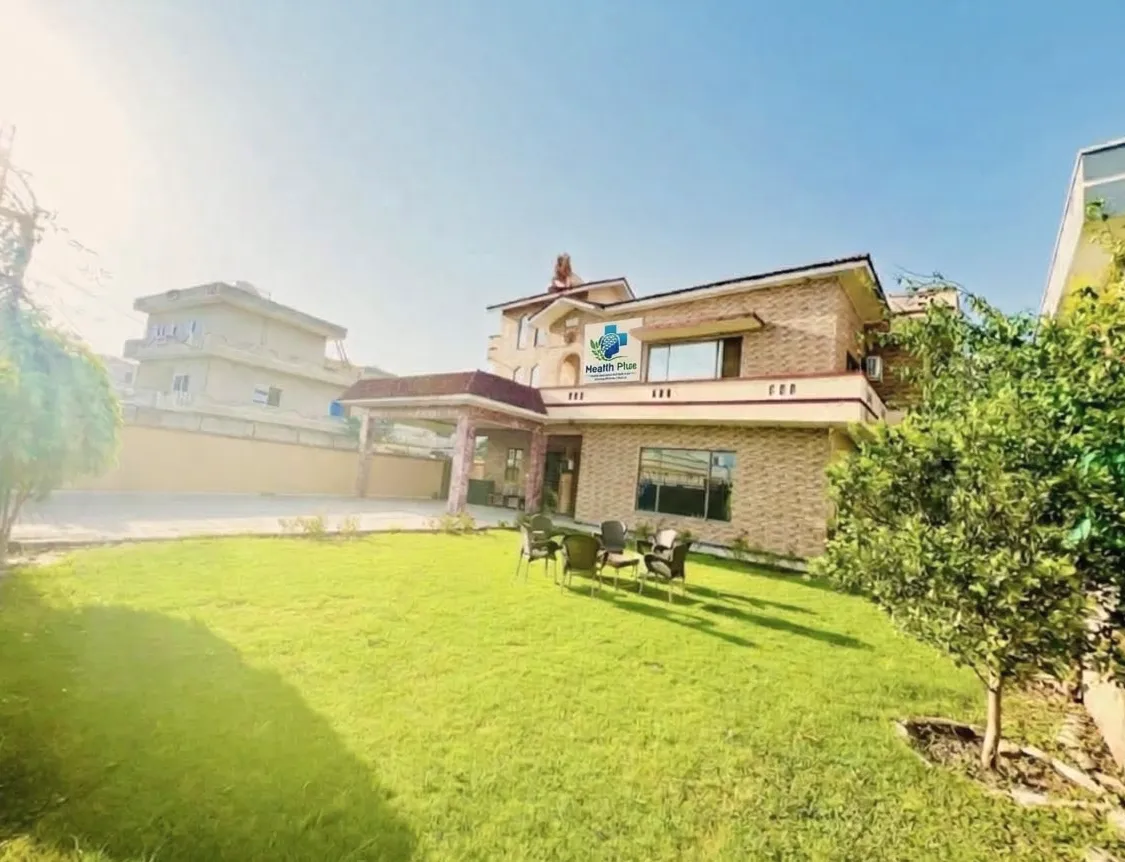
Our admissions team answers 24 hours a day. Tell us what is happening and we will give you honest advice on what would help, with no pressure to admit.