
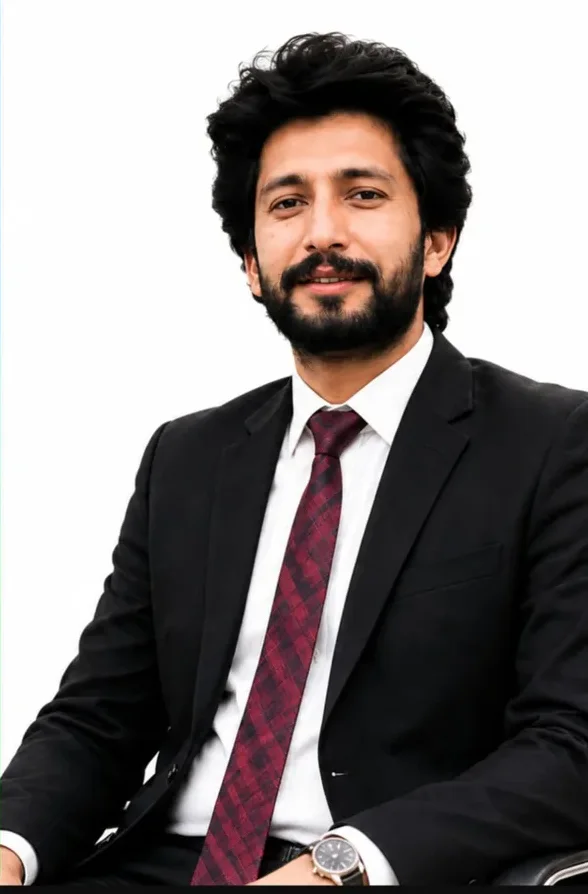
Dr. Abdur Rahim Khan
Consultant Clinical Psychologist
Clinically reviewed by Dr. Abdur Rahim Khan, PhD Psychology (NUMS) · Last reviewed October 2026
Help for intrusive thoughts and repeated rituals that take over daily life.
Obsessive-compulsive disorder, or OCD, means having unwanted, upsetting thoughts that keep coming back, and feeling driven to repeat actions or mental rituals to make the discomfort go away.
OCD responds well to the right therapy. At Health Plus, our clinical psychologists and psychiatrists build a step-by-step plan with each person, usually as outpatients.
In Pakistan, OCD often shows up around cleanliness, wudu and prayer. People may repeat ablution many times, restart prayers again and again, or worry constantly about saying something wrong.
Families sometimes see this as extra devotion. When rituals take hours and cause real distress, it is likely to be OCD, and it can be treated with respect for the person's faith.
OCD can also take other forms in Pakistan: fear of having said something unforgivable, constant checking of doors and gas cylinders, or needing to repeat actions until they feel exactly right. All of these respond to the same kind of treatment.
Noticing several of these over weeks, not days, is a reason to get advice.
Our psychologist starts with a careful assessment of the thoughts, rituals and how much time they take each day.
The main therapy is called exposure and response prevention (ERP). The person gradually faces the situations that trigger anxiety, with support, and learns to resist the ritual. Over time the anxiety falls.
Our psychiatrist may add medicine where it helps, especially when OCD is severe or comes with depression. Families learn how to step back from giving constant reassurance, which keeps OCD going.
Exposure and response prevention can sound frightening, but it is done gradually and with the person's agreement.
Take someone who repeats wudu many times because they fear it is not valid. With the therapist, they first make a list of situations from least to most upsetting. They start with an easier step, for example doing wudu once with the therapist present and then leaving the bathroom, even though anxiety rises.
They learn that the anxiety peaks and then falls without repeating the ritual. With practice, each step gets easier and they move up the list. Many people also find it helps to speak with a religious scholar about what is required, alongside therapy.
Progress is reviewed every session, and families are guided on how to support practice at home without taking part in the rituals.
Most people with OCD are treated as outpatients over several months. Residential care is only considered in severe cases, or when OCD comes with depression or substance use.
Treatment is private and respectful. Nobody is asked to do anything against their faith.
Consultant Clinical Psychologist

Consultant Psychiatrist
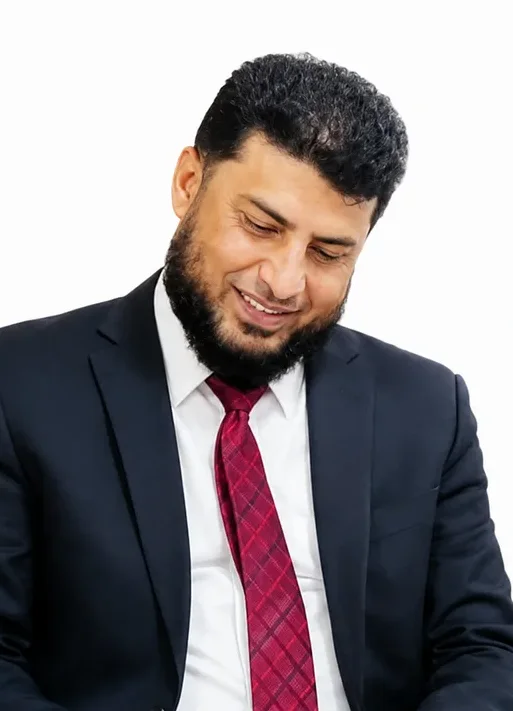
Consultant Psychiatrist
Still unsure? Call or WhatsApp us. A first conversation is free and confidential.
Yes. Most people improve significantly with the right therapy and, where needed, medicine.
Most people are treated as outpatients. Residential care may help in severe cases.
They can be. Our clinicians understand this and treat it with sensitivity.
Many people notice change within weeks, but a full course of ERP usually runs over a few months.
No. Many people like order or cleanliness. OCD means distressing thoughts and rituals that take up a lot of time and stop someone living normally.
Yes, OCD often starts in childhood or the teenage years. If you are worried about a child, speak to our team first. We will advise on the right assessment.
It sometimes eases for a while, but it usually returns without treatment. ERP therapy gives people the skills to manage it for the long term.
No. Treatment is about stopping rituals driven by fear, not about faith. Many people find their prayer becomes calmer and more meaningful once OCD is under control.
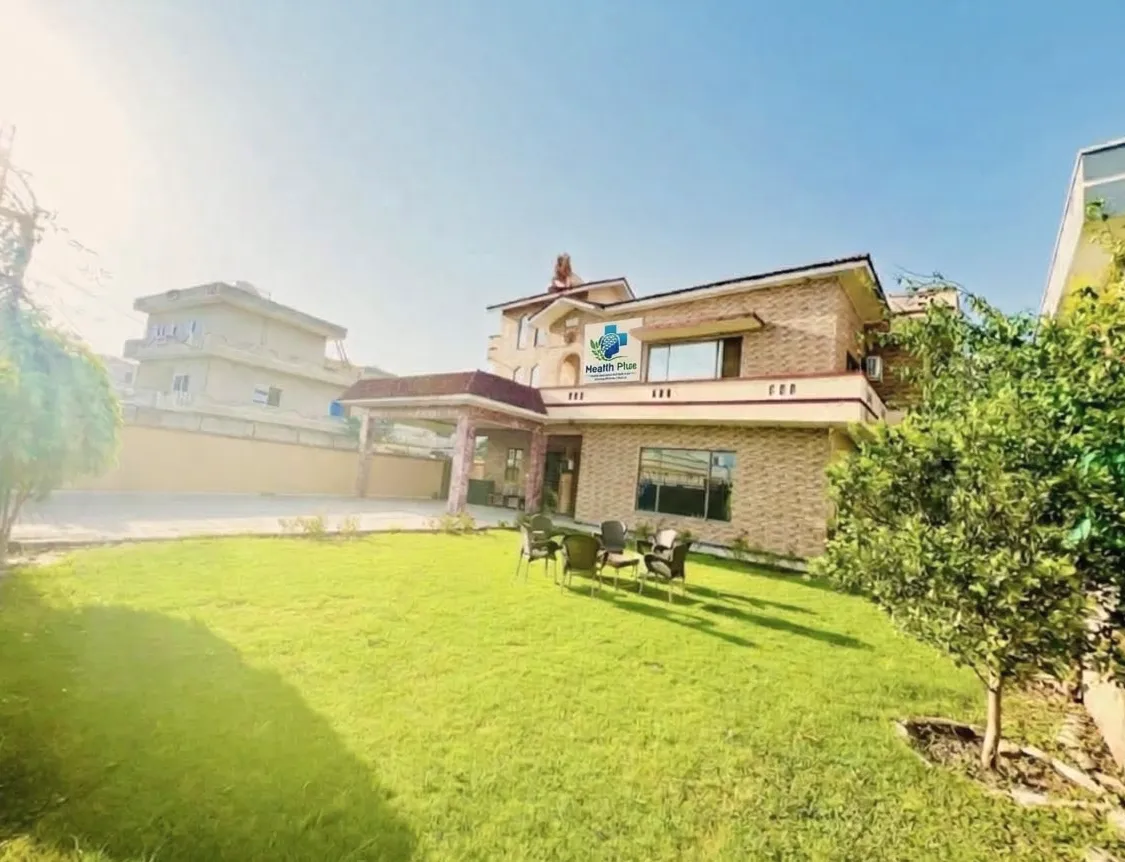
Our admissions team answers 24 hours a day. Tell us what is happening and we will give you honest advice on what would help, with no pressure to admit.