

Dr. Obaid Ullah
Consultant Psychiatrist
Medically reviewed by Dr. Obaid Ullah, MBBS, FCPS (Psychiatry) · Last reviewed October 2026
Supervised withdrawal from sharab, then a structured program to stay off it.
Alcohol is rarely talked about openly in Pakistani families. Most of the time, a wife or a brother has known for years before anyone says the word out loud. By then, drinking has usually moved from weekends to every evening, and often to the morning as well.
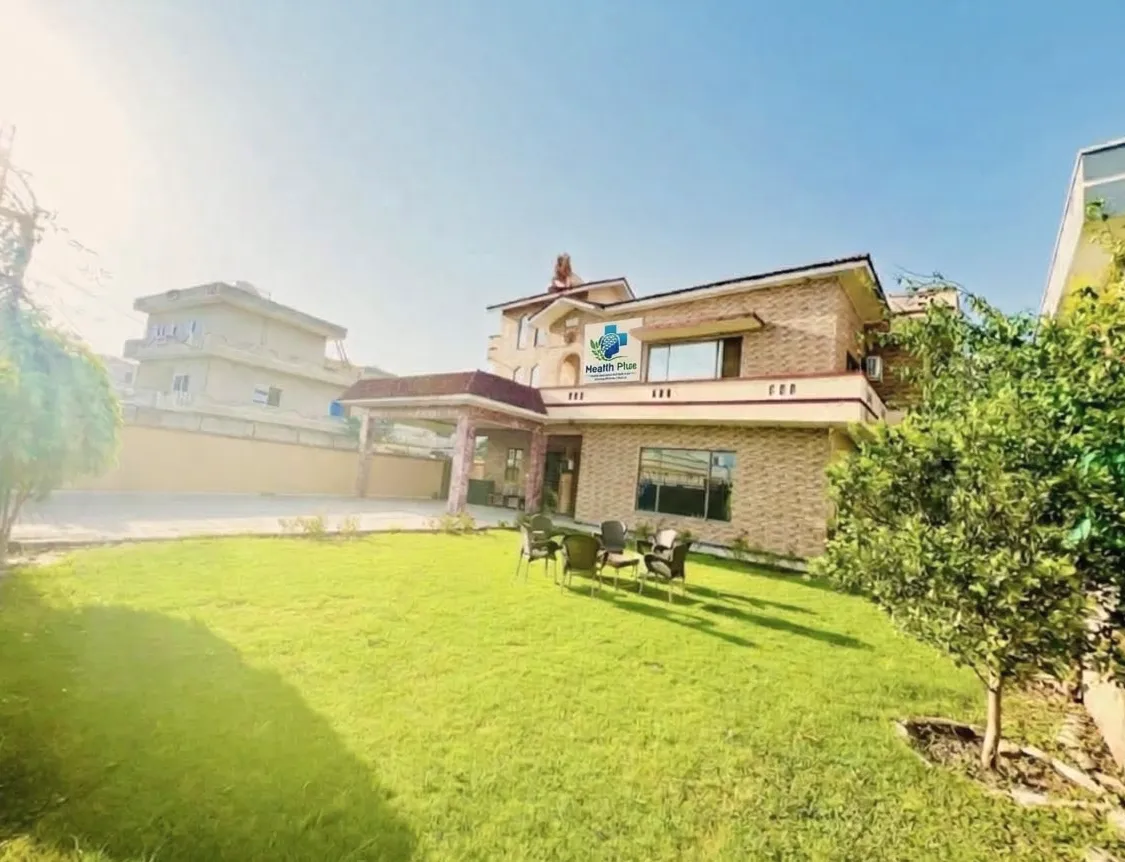
Health Plus treats alcohol dependence in Bani Gala, Islamabad. Withdrawal is managed by our psychiatrists and nurses on site, and recovery work starts as soon as the body is stable. Families are involved from the first week.
Because alcohol is illegal for most Muslims in Pakistan, it is bought quietly and drunk out of sight. People hide bottles in cars, offices and cupboards. Families notice the effects first: missed work, short temper, poor sleep, money that does not add up.
Many people also search for home remedies or a 'sharab chhurwane ka tarika' online before they call anyone. Stopping suddenly at home after months of heavy drinking can be dangerous. That is the main reason we ask families to call before trying it.
Noticing several of these over weeks, not days, is a reason to get advice.
On admission, a doctor checks blood pressure, pulse, liver health and how much the person has been drinking. This tells our psychiatrist how severe withdrawal is likely to be.
Withdrawal symptoms usually start within a day of the last drink. They can include shaking, sweating, anxiety, nausea and poor sleep. In heavy drinkers, more serious problems such as seizures or confusion can happen, so we use prescribed medicine on a reducing dose and check vital signs every day.
Detox usually takes about a week. After that, the person joins the full residential routine: group therapy, one-to-one sessions with a psychologist, the 12-Step program and family sessions. The work then turns to why the person drinks, what triggers it and what they will do differently at home.
Years of heavy drinking affect more than the mind. The liver is usually the first organ to suffer. Early damage often has no symptoms, which is why we check liver tests in the first days of admission. Later signs can include yellow eyes, a swollen stomach, easy bruising and confusion.
Heavy drinkers also often eat poorly, so they can be short of important vitamins, especially thiamine (vitamin B1). A lack of thiamine can damage the brain and memory. Our doctors give vitamin replacement during detox as a routine precaution.
Blood pressure, stomach problems, poor sleep and low mood often improve within weeks of stopping. Some damage takes longer to recover, and some is permanent, which is one more reason not to wait.
If your husband or father has vomited blood, has yellow skin or eyes, is very confused, or has had a seizure, he needs a hospital emergency department first. Call 1122. We can plan rehab once he is medically stable.
Detox takes days. Recovery takes longer. Most patients stay 3 to 6 months, and the length is reviewed with the family as treatment goes on. Some people are better suited to our day program or outpatient follow-up after a shorter stay.
Consultant Psychiatrist

Consultant Clinical Psychologist

Consultant Psychiatrist
Still unsure? Call or WhatsApp us. A first conversation is free and confidential.
It can be, especially after heavy daily drinking. Symptoms can include tremors, sweating, anxiety, poor sleep and, in severe cases, seizures or confusion. That is why we recommend withdrawal under medical supervision rather than at home.
Usually around a week, depending on how much and how long the person has been drinking. Recovery work continues after detox, typically for 3 to 6 months.
No. Patients are admitted as they are. Our doctors assess them on arrival and plan a safe withdrawal.
No. Treatment is confidential. We only share information with the people the patient or family authorises.
For most people who have been dependent on alcohol, trying to drink in moderation leads back to heavy drinking. Our team usually advises complete abstinence and will discuss this with him and the family.
Our admissions team answers 24 hours a day. Tell us what is happening and we will give you honest advice on what would help, with no pressure to admit.