

Dr. Hafiz Sultan Muhammad
Consultant Psychiatrist
Medically reviewed by Dr. Hafiz Sultan Muhammad, MBBS, FCPS (Psychiatry) · Last reviewed October 2026
Stabilising mood swings between highs and lows with expert psychiatric care.
Bipolar disorder causes periods of very high mood or energy, called mania, and periods of depression. During mania, people may not sleep for days, spend money they do not have, or take serious risks.
With the right medicine, routine and support, many people with bipolar disorder live stable lives. At Health Plus, our psychiatrists lead treatment and work closely with families, who are often the first to notice an episode starting.
Mania is sometimes seen as unusual religious behaviour, 'too much energy' or a bad temper. The depressive phase may be seen as laziness. Families often spend a long time with faith healers or general doctors before the pattern is recognised.
Bipolar disorder also often comes with drug or alcohol use, which makes episodes harder to manage. Treating both together gives the best chance of staying well.
We also work with families on money and decision-making during high phases, such as keeping cards safe or agreeing that big purchases wait until the person is well. These plans are made calmly, when the person is stable, and with their agreement.
Noticing several of these over weeks, not days, is a reason to get advice.
During an acute manic or depressive episode, a short residential stay gives a safe, calm setting with round-the-clock supervision. Our psychiatrist starts or adjusts mood-stabilising medicine and monitors response closely.
Once the episode settles, the focus moves to staying well: taking medicine regularly, protecting sleep, avoiding alcohol and drugs, and spotting early warning signs.
Families are taught what an episode looks like at the start, so they can act early. Follow-up with a psychiatrist continues after discharge.
For people with bipolar disorder, sleep is one of the most important warning lights. A few nights of very little sleep can tip someone into mania, and mania itself makes people sleep less.
We help patients build a routine that protects sleep: regular bedtimes, limited screens at night, no caffeine late in the day, and no alcohol or drugs, which make mood less stable.
We also help each patient and family write a short personal plan: the first signs of a high or low phase for that person, who to call, and what to do. Families keep a copy.
Regular follow-up with a psychiatrist after discharge, and taking medicine as prescribed even when well, are the strongest protection against new episodes.
Residential stays for bipolar disorder are usually for an acute episode, often a few weeks, followed by regular outpatient follow-up. If addiction is also present, the stay may be longer.
Consultant Psychiatrist

Consultant Clinical Psychologist

Consultant Psychiatrist
Still unsure? Call or WhatsApp us. A first conversation is free and confidential.
It is usually a long-term condition, but it can be well controlled with treatment, and many people stay well for long periods.
Yes. This is called dual diagnosis, and we treat both together.
Talk to our admissions team. We will advise on the safest way to arrange assessment and admission.
The aim of medicine is to keep mood stable, not to change who someone is. Your psychiatrist will review side effects and adjust treatment.
No. Everyone has ups and downs. Bipolar disorder means distinct episodes of mania or depression that last days to weeks and seriously affect daily life.
Yes. Many people with bipolar disorder work, study and raise families. Stable treatment, protected sleep and early action on warning signs make this much more likely.
This is common, because mania can make people feel better than ever. Call us early. Our psychiatrists will advise on the safest way to arrange assessment.
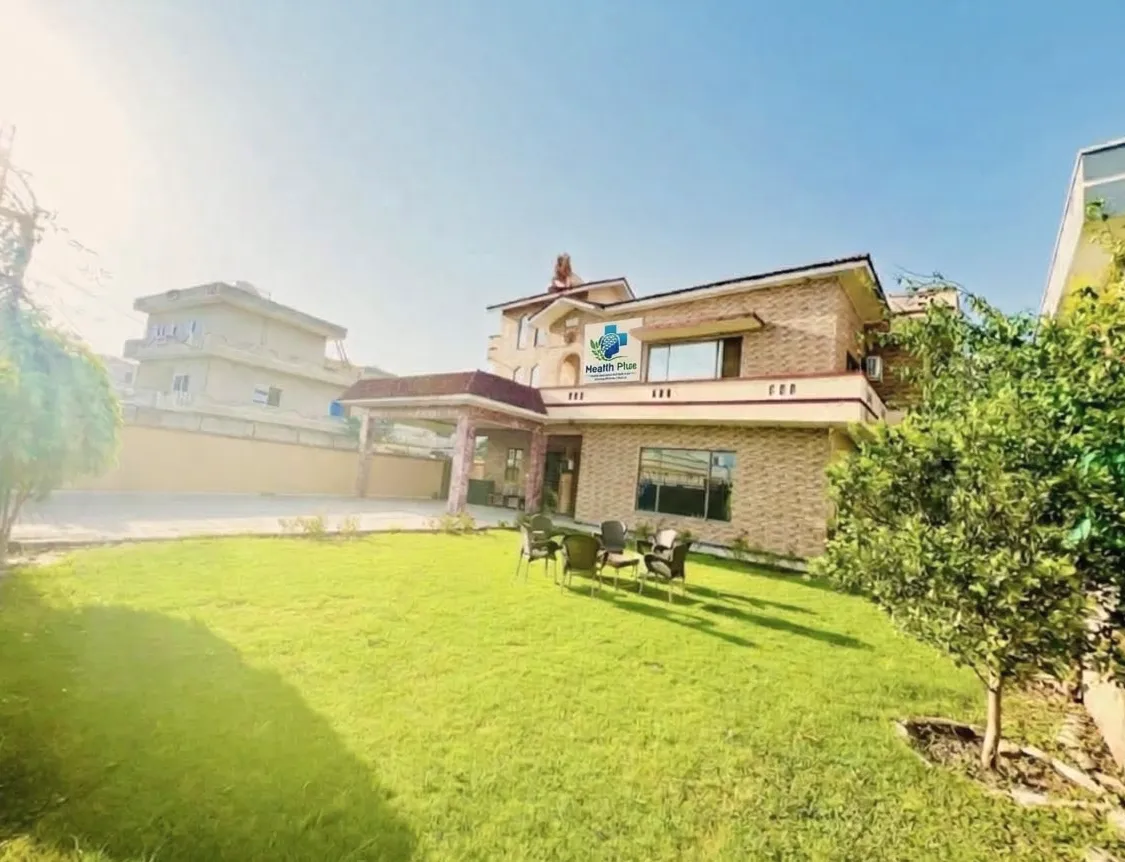
Our admissions team answers 24 hours a day. Tell us what is happening and we will give you honest advice on what would help, with no pressure to admit.