

Dr. Obaid Ullah
Consultant Psychiatrist
Medically reviewed by Dr. Obaid Ullah, MBBS, FCPS (Psychiatry) · Last reviewed October 2026
Assessment and treatment for persistent low mood, loss of interest and hopelessness.
Depression is common in Pakistan, but it is often called weakness, laziness or a lack of faith. Many people live with it for years before seeing anyone, and many families search for 'depression ka ilaj' quietly on their phones.
Depression is a medical condition and it is treatable. At Health Plus, our psychiatrists and psychologists build a plan that can include medicine, talking therapy and a steady daily routine, as an outpatient or during a residential stay.
People with depression are often told to pray more, get married, or simply be grateful. Faith and family can be a great support, but they are not a substitute for treatment when low mood takes over daily life.
Depression also shows up differently in men and older people in Pakistan. It may look like anger, constant tiredness, body aches or heavy use of sleeping pills or charas rather than sadness.
Noticing several of these over weeks, not days, is a reason to get advice.
The first step is a full psychiatric assessment. Our psychiatrist asks about mood, sleep, appetite, energy, any substance use and any thoughts of self-harm, and checks for physical causes where needed.
Treatment may include medicine, talking therapy such as CBT with one of our psychologists, or both. Medicine usually takes a few weeks to help, and the dose is reviewed regularly.
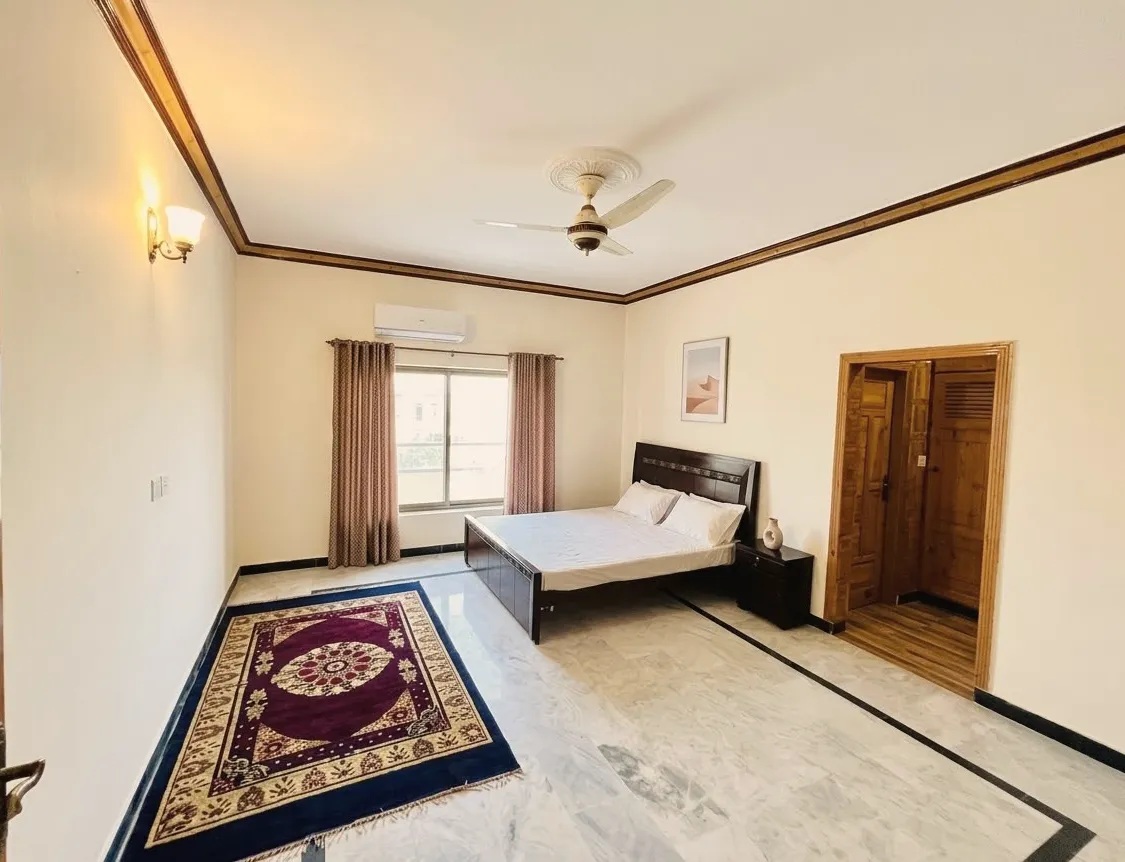
For people who are severely unwell, not eating, or not safe at home, a residential stay gives round-the-clock care, a calm routine with sunlight and exercise, and daily therapy until things are stable.
Most people with depression do not try to end their life, but some do, and families are often the first to notice warning signs.
Take these seriously: talking about wanting to die or being a burden, saying goodbye to people, giving things away, sudden calm after a long low period, searching for ways to harm themselves, or using more alcohol or pills than usual.
If you notice these signs, ask directly and calmly: 'Are you thinking about ending your life?' Asking does not put the idea in their head. Stay with them, remove medicines and other dangerous items, and get help the same day.
If someone is in immediate danger, call 1122 or go to the nearest emergency department. You can also call our team at any hour for advice.
Most people with depression are treated as outpatients. When symptoms are severe, or someone is not safe at home, residential care may be recommended for a period, followed by outpatient follow-up.
Consultant Psychiatrist

Consultant Clinical Psychologist

Consultant Psychiatrist
Still unsure? Call or WhatsApp us. A first conversation is free and confidential.
Many people are treated as outpatients. Residential care may be recommended for severe depression or when someone is not safe at home.
Not necessarily. Your psychiatrist will explain the options and review them with you over time.
If someone is in immediate danger, call 1122 or go to the nearest emergency department. You can also call us 24/7.
Stress usually improves when the cause eases. If low mood, poor sleep or loss of interest last more than two weeks and affect daily life, it is worth seeing a psychiatrist. Our free self-check can help you decide.
It can. Continuing treatment for as long as the psychiatrist advises, keeping a routine and acting early on warning signs all lower the chance of it returning.
Talking therapy and routine can help within weeks. Medicine usually takes two to six weeks to show a clear effect. Your psychiatrist will review progress regularly and adjust treatment if needed.
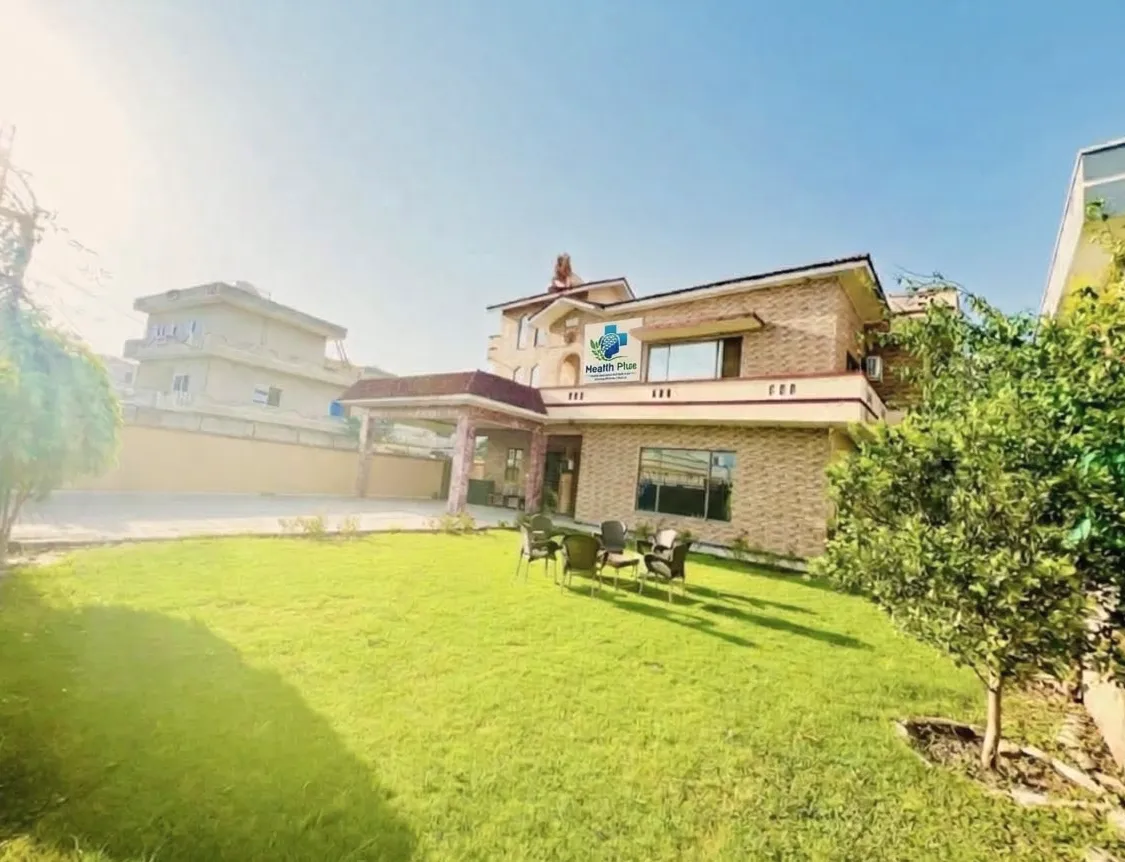
Our admissions team answers 24 hours a day. Tell us what is happening and we will give you honest advice on what would help, with no pressure to admit.