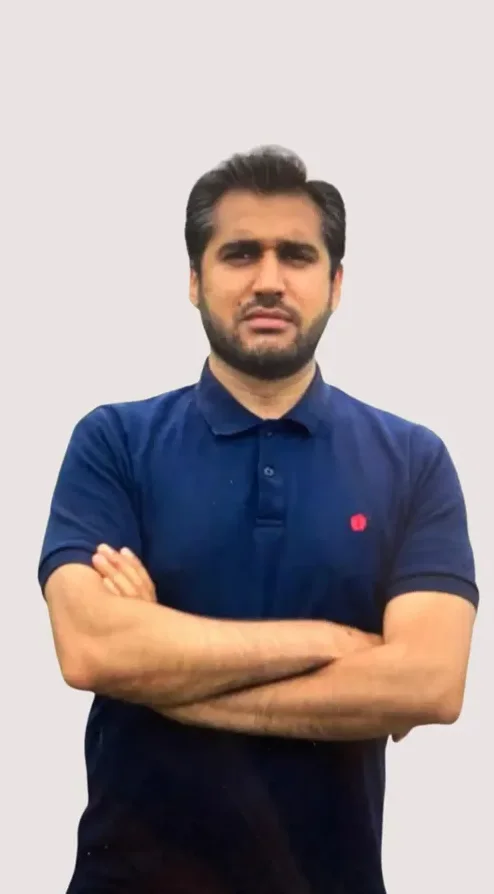
Dr. Obaid Ullah
Consultant Psychiatrist
Medically reviewed by Dr. Obaid Ullah, MBBS, FCPS (Psychiatry) · Last reviewed October 2026
Supervised opioid withdrawal with psychiatric and psychological support.
Heroin has been part of Pakistan's drug problem for decades. Families often reach us after years of watching a son or brother try to stop at home, get through a few painful days, and start again.
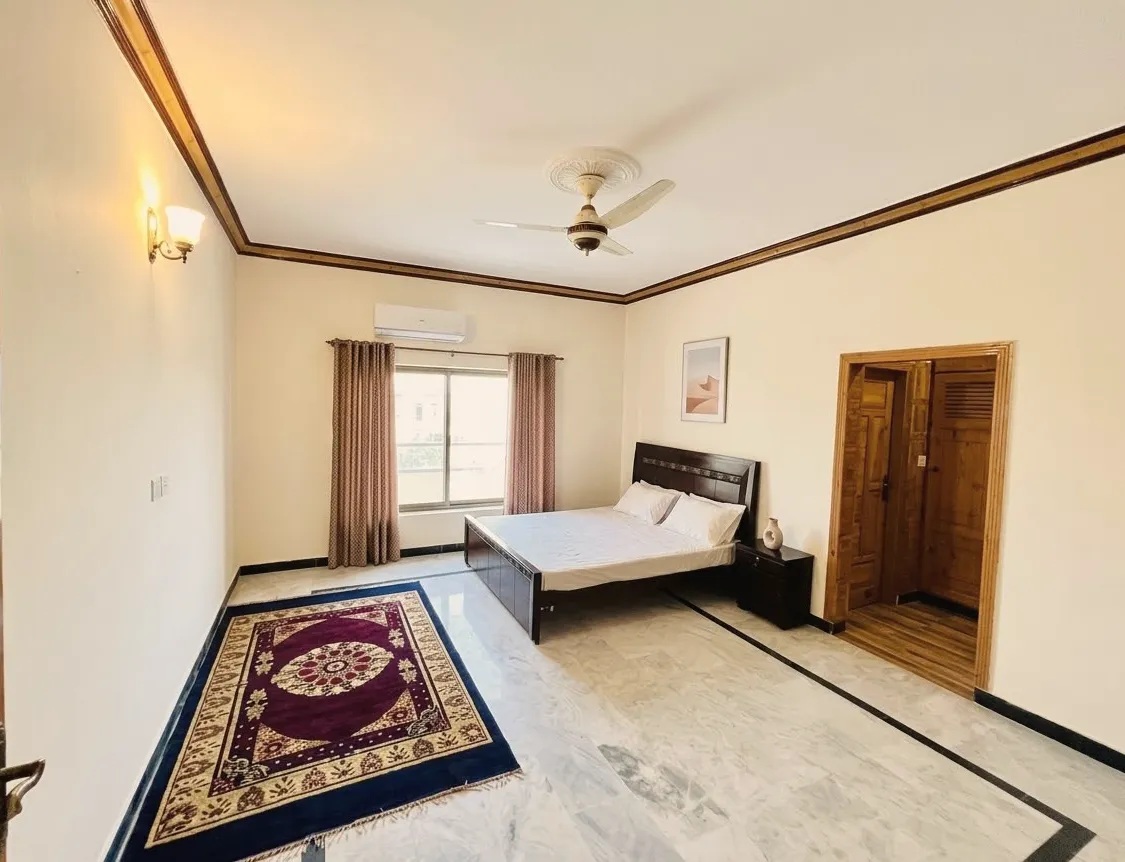
At Health Plus, opioid withdrawal is managed by our psychiatrists and nurses so the person is not left to suffer through it. Once withdrawal is under control, the residential program works on staying off heroin for good.
Heroin withdrawal feels like a very bad flu: aching bones, sweating, diarrhoea, no sleep and a strong craving. Most people who try to stop at home use again within days just to make the pain go away.
Families searching for 'heroin ka nasha kaise chhurayein' often find tablets or injections promised as a quick cure. There is no quick cure. Safe withdrawal needs proper medical care, and staying off heroin needs months of support.
Noticing several of these over weeks, not days, is a reason to get advice.
A doctor assesses the person on admission: which opioids, how much, how long, and any injecting, infections or other health problems.
Withdrawal symptoms usually peak in the first few days. Our psychiatrist prescribes medicine to reduce pain, sleeplessness, diarrhoea and anxiety, and nurses monitor the patient around the clock. Doses are reduced carefully as symptoms settle.
After detox, the person joins group therapy, individual sessions and the 12-Step program. Because tolerance drops after detox, using again at the old amount can cause a fatal overdose. Relapse prevention is therefore part of every plan, and families are taught the warning signs.
This is one of the most important things families need to know. After a person stops heroin for a few weeks, their body loses its tolerance. If they relapse and use the amount they used to, it can stop their breathing.
Many fatal overdoses happen in the first weeks after leaving rehab or jail, for exactly this reason. It is also more dangerous when heroin is mixed with sleeping pills, pregabalin or alcohol.
Signs of an opioid overdose include very small pupils, slow or noisy breathing, blue lips or fingertips, and not waking when you shout or shake them. Call 1122 straight away, keep the person on their side, and stay with them.
This is why discharge from Health Plus always includes a relapse-prevention plan and family education, and why we encourage follow-up in the first months at home.
Acute withdrawal usually settles over one to two weeks. Most patients then stay for 3 to 6 months in total. Discharge is planned with the family, including follow-up appointments.
Consultant Psychiatrist

Consultant Clinical Psychologist
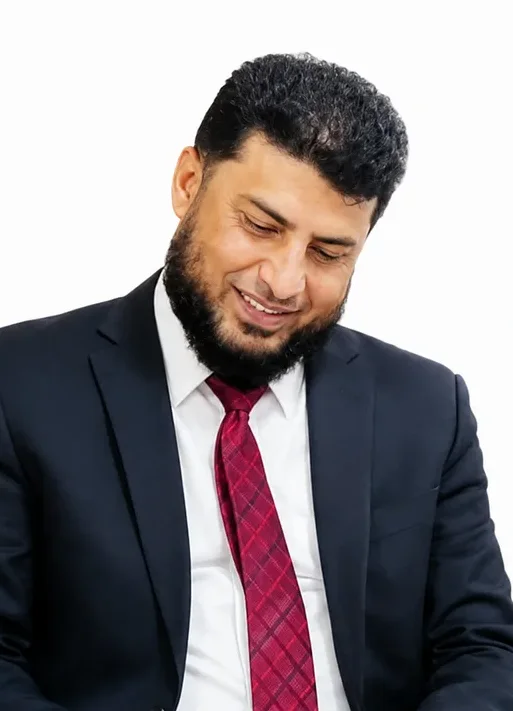
Consultant Psychiatrist
Still unsure? Call or WhatsApp us. A first conversation is free and confidential.
Acute withdrawal usually peaks in the first few days and settles over one to two weeks. Sleep and cravings can take longer. Our team supports patients through each stage.
Relapse is a real risk with heroin, especially after detox when tolerance is low. That is why discharge planning and aftercare are part of every treatment plan.
Yes. Prescription opioid dependence is treated in the same structured way.
Yes. We check for infections and other health problems on admission and refer for tests where needed. Lab tests are billed separately.
We do not recommend it. Withdrawal is very uncomfortable, relapse is common, and using again after a few days off can cause an overdose. Medically supervised detox is safer.
Our psychiatrists decide which medicines to use during withdrawal based on each patient's needs and what is available. They will explain the plan to the family before starting.
Our admissions team answers 24 hours a day. Tell us what is happening and we will give you honest advice on what would help, with no pressure to admit.